


About Australian native Pepperberries and their leaves
Australian native pepper, Pepperberries and Pepperleaf, Tasmannia lanceolata, has become increasingly popular in the past few years. They are an easy substitute for any of the usual imported white and black peppercorns currently available.
Pepperberries and Pepperleaf – flavour and aroma
Both berries and leaves are spicy & aromatic, they really do remind you of the Australian bush and a great addition to any kitchen pantry. These great Australian peppers are becoming more and more popular in the culinary industry as well as for medicinal use.
The leaf may be used fresh, but more often its used dried and milled. The small black berries, Pepperberries, can also be used fresh or dried, beware when using Pepperberries for the first time as they really do pack a “hot chilli punch”!!Essential oils are now being extracted from the leaves and used as a food flavouring and for therapeutic purposes.
The vast majority of the leaves and berries are wild-harvested, some plantations are starting as demand is increasing.
More about Australian Pepperberries and their leaves
Health and Well-being
For your health and well-being they are high in anti-oxidants, even higher, (4 time higher) than blueberries who are often promoted for their health giving properties. Native Pepperberries and leaf contain Vitamin E, Iron, Zinc, Calcium and Magnesium.
Using and Storing Pepperberries and Pepperleaf
Both the leaves and the berries can be used, just remember that the berries are very hot and chilli-like. The berries can be ground in a mortor and pestle, I’ve also ground them in a coffee grinder….just a tad easier! The leaf generally is sold milled into a fine power and can be used as you would your normal pepper.
Store your pepperberries and pepperleaf just as you would any herb, in a cool, dry environment. Often I’ve found it’s best to add the berry towards the end of cooking to make the most of its flavour.
The foliage, fruit and the bark of the native pepper plant have a natural chemistry, one of the interesting compounds is “polygodial”, found only in a very small number of plants world wide, this compound was first identified in leaf extracts in 1962.
Polygodial is antimicrobial and antifungal which is known for it shelf-life extending properties and is now used as a “wash” in fish, prawns and meat products.
This compound is also responsible for the hot peppery flavour.
Some great recipes to try
Roasted Garlic with Pepperleaf
Avocado Dip with Desert Limes & Pepperberries
BushBBQ’s Bush BBQ Lemon Pepper has been one of the most popular of the BushBBQ range of mixed spices.
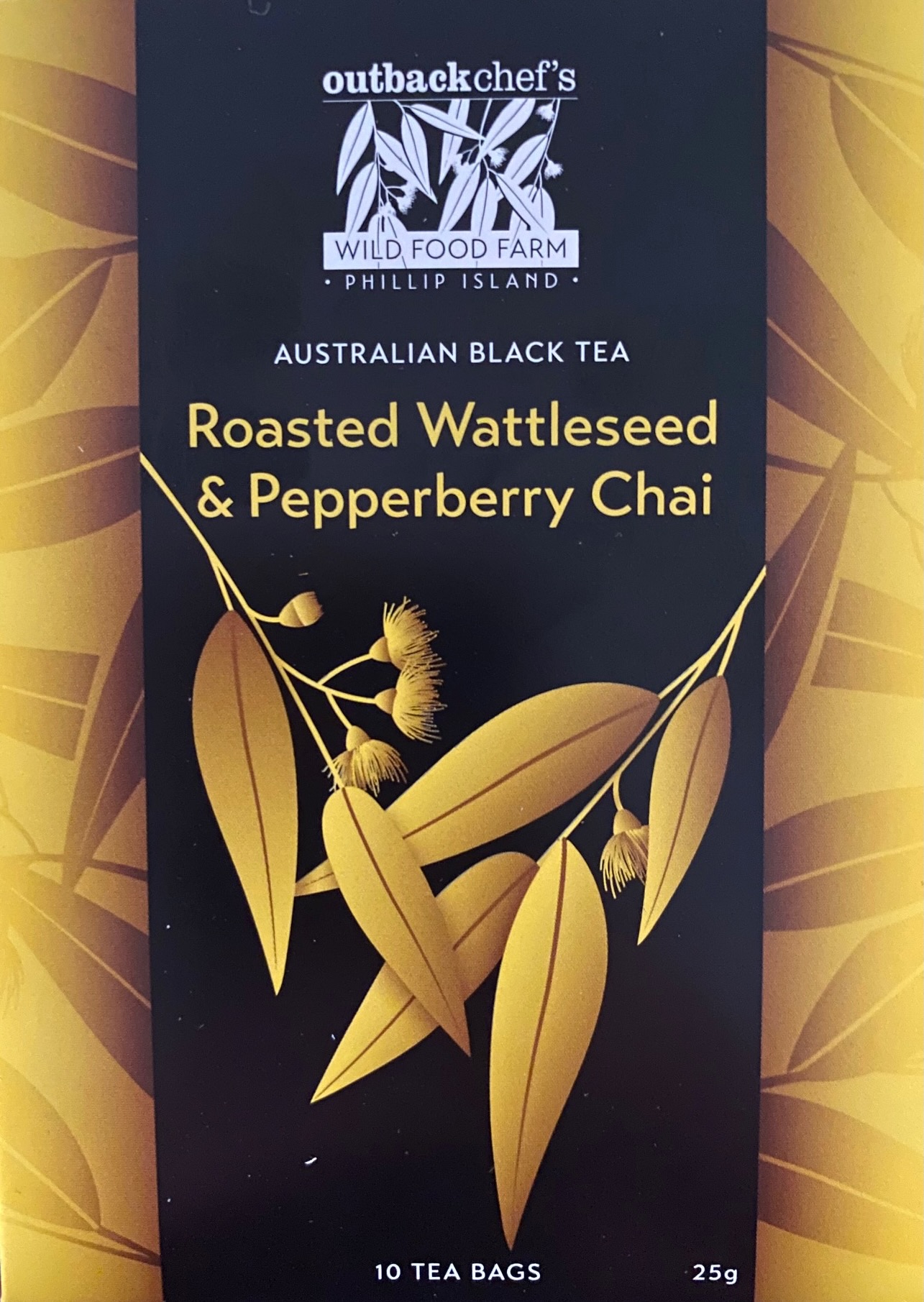
Roasted Wattleseed & Pepperberry Chai Tea
Our teas are a mainstay of the products we produce and none is more popular that our Roasted Wattleseed and Pepperberry Chai Tea, now is convenient and 100% sustainable pyramid tea bags
How to use Australian Native Pepper
Pepperleaf, the leaves, may be used fresh, but more often its used dried and milled. The small black berries, Pepperberries, can also be used fresh or dried, beware when using Pepperberries for the first time as they really do pack a “hot chilli punch”!!
Essential oils are now being extracted from the leaves and used as a food flavouring and for therapeutic purposes.
The vast majority of the leaves and pepperberries are wild-harvested, some plantations are starting as demand is increasing.
Pepperberries are now being exported as European and Asian manufacturers have discovered the beautiful and unique flavours of this amazing Australian botanical
They used by manufacturers to add a unique flavour to their food. Pepperberries are also used to add flavour to the Japanese Wasabi.
Australian produces are using pepperberries in everything from sauces, preserves, oils and baking, whilst for many Australian chefs pepperberry and pepperleaves are a staple in their kitchens. Gin distillers are another group who have embraced the pepperberry into their products, making it uniquely Australian.
Health Aspects of Australian native Pepperberries and Pepperleaf
The early colonial settlers used both the pepperberries and pepperleaf as a substitute for Winter’s bark in treating ailments, it was also used for treating scurvy.
The main ingredient of mountain pepper, polygodial, gives it very strong antimicrobial properties thus having the ability to be a natural food preservative, this compound is also responsible for the hot peppery flavour.
Bird attracting Australian native plants
These trees make a great garden plant, they are bird attracting, especially Currawongs that love the berries.
Australian native pepper as a garden Shrub
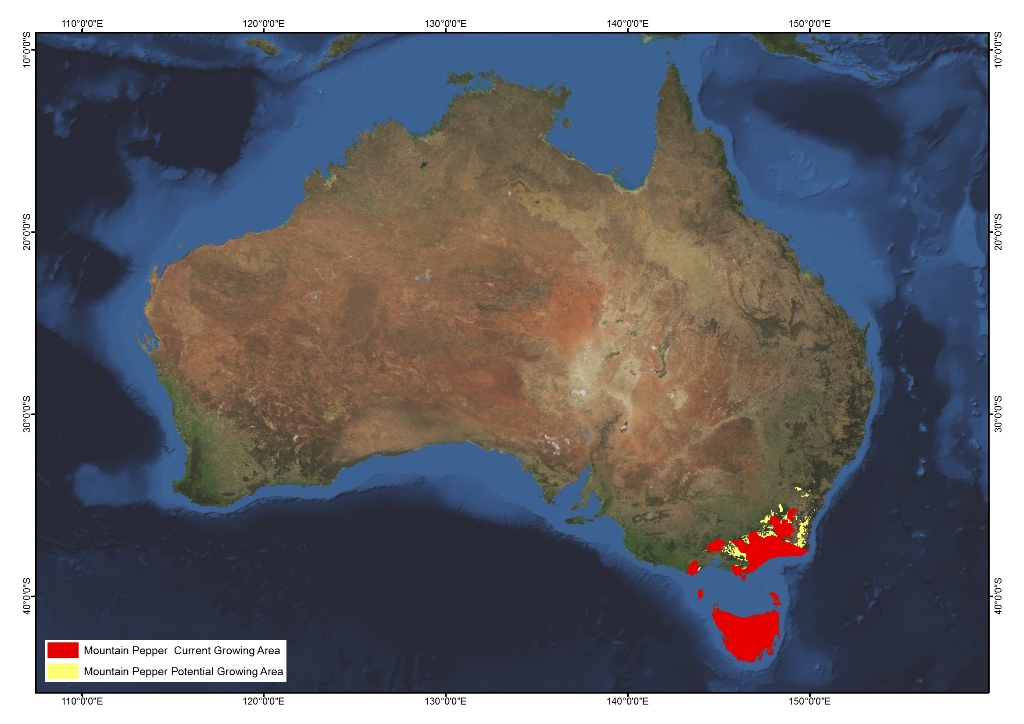
The native pepper plant is a shrub, actually one of my favourites. I love its dark green leaves and bright red stems, they can grow from 2 metres to 10 metres high. I have a lot of Pepperberry plants still in tubs, they look amazing on my deck. They definitely like to be kept moist with a good drainage. They need both the male and female plants to produce the berries. The berries are only found on the female plants. The flowers are a soft cream colour.The plants flower about Sept/Oct and it has berries ready to harvest from March/May.It can be propogated from cuttings and likes to grow in a well-drained acidic soil. The ideal cold climates of Tasmania and Southern Victoria are perfect for this plant where is likes the gullies and the moist areas.
How Aboriginal people used Pepperleaf plants
Different species of Australian native pepper
There are quite a few different species of Australian pepper. Here in this article I’ve written about the most popular and widely used.
Some of the species are…
- T. lanceolata – Pepperberries, or Mountain Pepper. This is most common commercial source of leaves and berries.
- T. stipitata – Dorrigo Pepper.
- T. insipida – Not generally eaten.
- T. xerophila – Alpine or snow pepper. Wild Lime says is has leaves and berries hotter than the two more common ones.
- T. purpurescens – Broad leaf pepperbush.
- T. glaucifolia – Fragrant Pepperbush.
- T. membranea – Pepper Tree.
- T. vickeriana – Baw Baw pepper.
- T. piperita – no common name found yet.


Leave A Comment
You must be logged in to post a comment.